
Inner Child Work: Healing Attachment Wounds and Core Beliefs
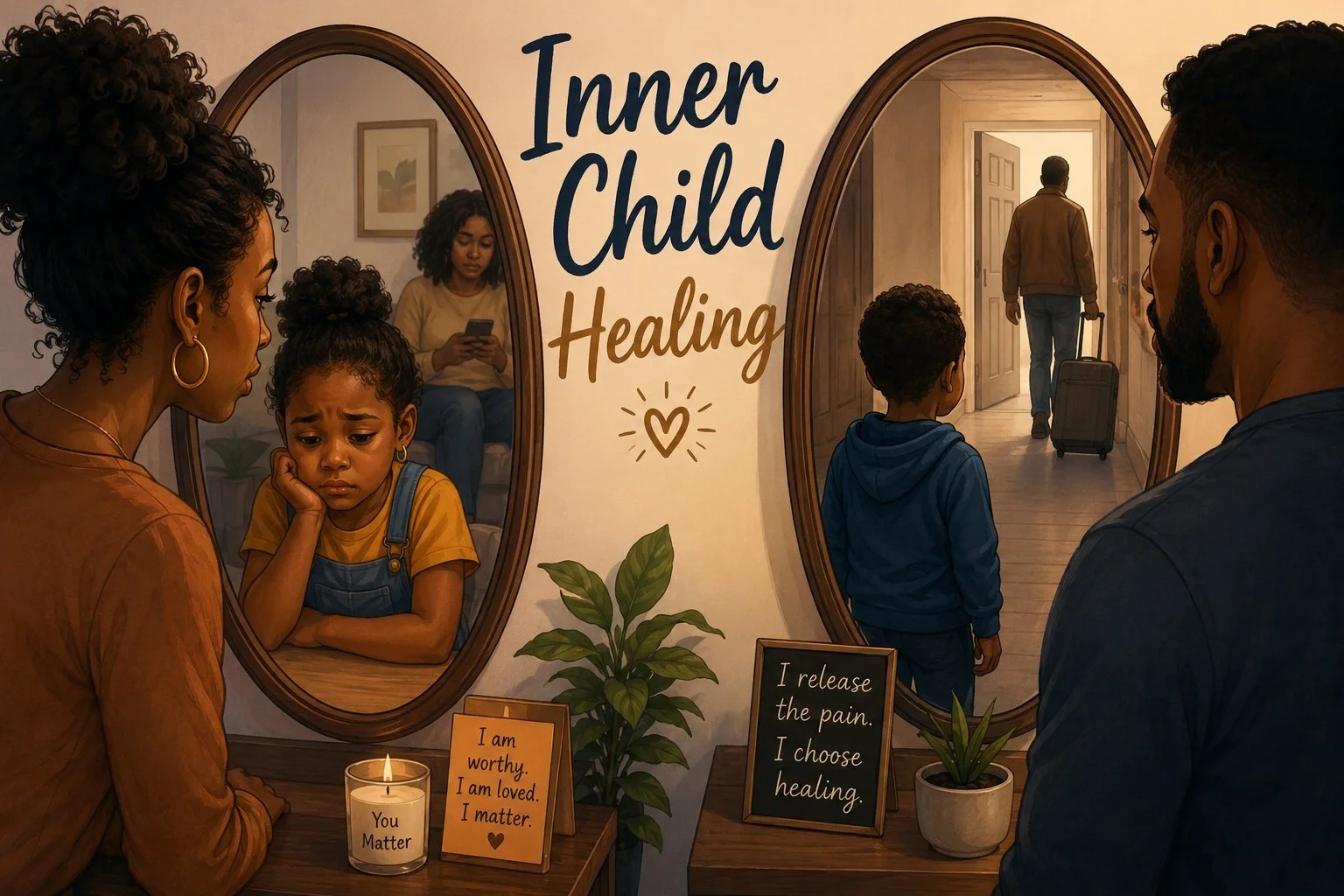
Many of the struggles we face as adults, and the challenges we see our children and teens navigating are rooted in early attachment experiences. We pass on what we do not heal.
When our emotional needs aren't consistently met in childhood, core wounds form. These wounds quietly shape how we view ourselves, others, and the world. These beliefs affect how we navigate relationships not only with others but ourselves as well.
Fortunately, inner child work offers a practical, meaningful framework to identify these early patterns and finally begin healing them.
How Early Attachment Shapes Core Beliefs
Our earliest relationships teach us what to expect from the world. They act as a blueprint for our reality.
The Secure Blueprint
When caregiving is safe, responsive, and consistent, children internalize positive core beliefs:
“I am valued.”
“My needs matter.”
“I am safe in relationships.”
The Insecure Blueprint
When caregiving is inconsistent, critical, emotionally unavailable, or unpredictable, children develop core wounds such as abandonment, rejection, emotional deprivation, shame, or mistrust.
A Crucial Reminder: These wounds are adaptive responses, not character flaws. They formed because your young nervous system was doing everything it could to maintain safety and connection. This part of us still exists when we have not healed our core wounds. Healing is possible. The goal is to be secure.
From Core Wounds to Schemas
Over time, these repeated childhood experiences solidify into schemas, deeply ingrained patterns of thinking and feeling that automatically dictate our behavior.
Without intervention, these schemas operate in the background of our daily lives like outdated software. Let’s review some examples of core wounds and their internal scripts below:
The Core Wound: The Resulting Schema (The Internal Script)
Abandonment: “People always leave me.”
Defectiveness: “There is something fundamentally wrong with me.”
Emotional Deprivation: “My needs won’t ever be met by others.”
Mistrust: “It's only a matter of time before others hurt me.”
These scripts shape how children interpret playground drama, how teens respond to peer rejection, and how adults navigate intimacy, parenting, and workplace dynamics. Without healing, we remain in a cycle of reacting from our core belief and unknowingly reinforcing those schemas and beliefs with the outcomes. For example, when you feel hurt you tell your significant other to leave, they leave and it reinforces your belief that people will always leave you.
How Inner Child Work Breeds Healing
Therapy isn't about rewriting your history; it's about changing how that history impacts your present. In our work with children, teens, and adults, we focus on four key pillars:
Increasing Awareness: Helping you identify your current emotional triggers and the hidden core beliefs driving them.
Connecting Past to Present: Understanding exactly why you react the way you do based on your early experiences.
Restructuring Thoughts: Challenging outdated childhood beliefs and replacing them with balanced, reality-based perspectives.
Creating Corrective Emotional Experiences: Using the safe, consistent, and supportive relationship with a therapist to experience true emotional attunement, often for the first time.
Belief Restructuring in Action
Old Belief:“I’m not important.”
Restructured Belief:“My needs are valid, even if others don’t always respond the way I hope.”
What This Means for You (or Your Child)
Unresolved attachment wounds don't just disappear; they ripple into our self-esteem, fuel anxiety and depression, disrupt relationship patterns, and impact our own parenting approaches.
Inner child work does not focus on blame. It focuses on understanding, compassion, and growth.
By identifying schemas and restructuring core beliefs, you or your child can develop:
Greater emotional awareness and regulation
Healthier, more secure relationship patterns
Increased resilience against life's stressors
A grounded, stronger sense of self
Healing early wounds is possible at any age. With the right support, long-standing patterns can shift, creating space for a more secure, confident, and connected life. Behavior patterns that kept you stuck can transition into behaviors that support healthy response and meaningful relationships. Are you ready to began the transition of self healing? Schedule your free consultation to start the work.
