
When Culture and Identity Collide: Finding Yourself in a Multicultural World
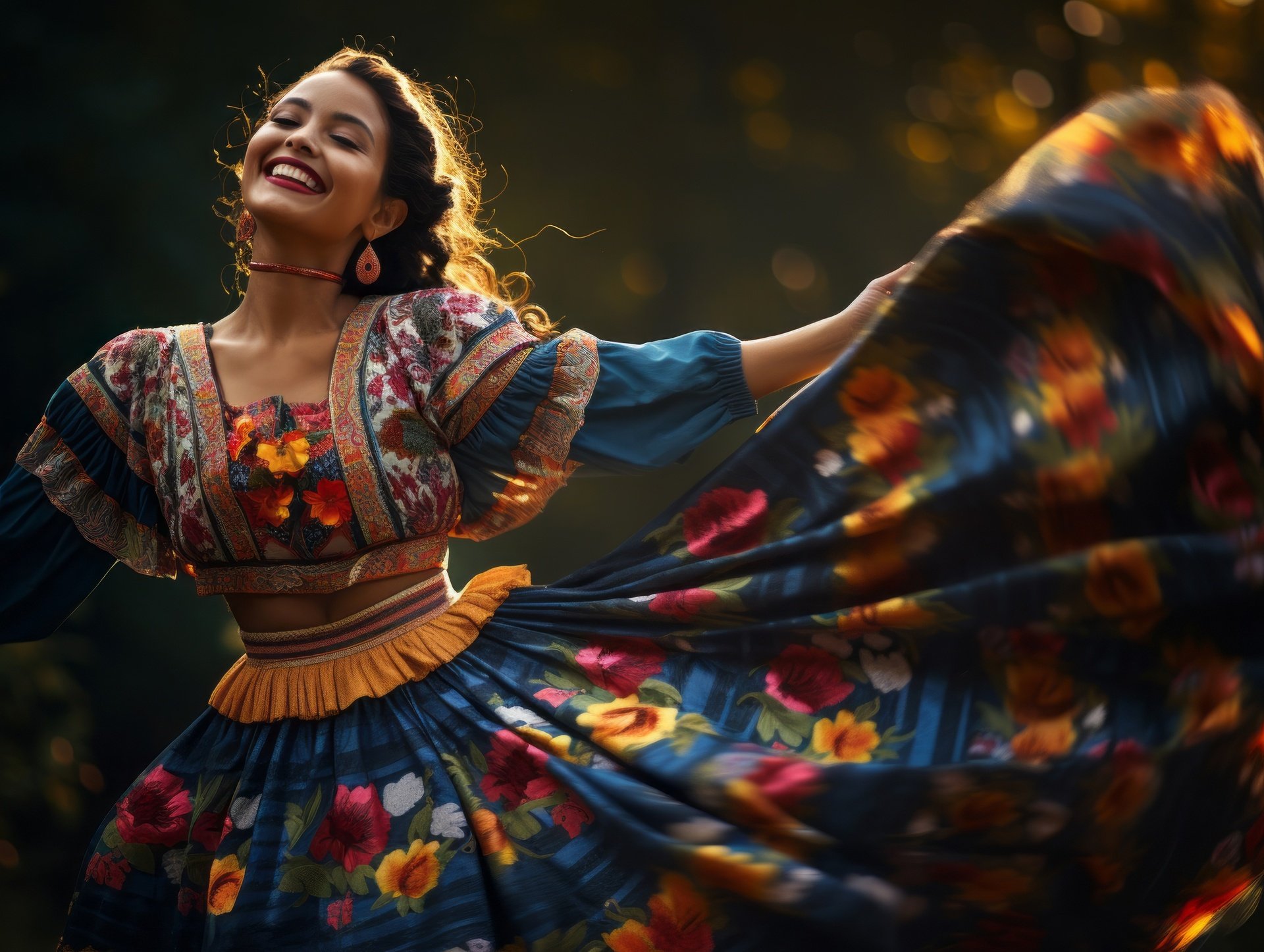
For many people, identity isn’t something that develops in a straight line… it’s something that gets shaped, stretched, and sometimes even pulled in different directions.
If you’ve ever felt like you’re “too much” of one culture and “not enough” of another, you’re not alone.
Living in a multicultural world often means holding multiple identities at once. You might carry your family’s cultural values while also navigating the expectations of the world around you. This experience, often described as bicultural or multicultural identity, can be both deeply enriching and, at times, incredibly confusing.
The Space In-Between
Many individuals grow up learning how to move between different cultural spaces. Maybe you speak one language at home and another outside. Maybe your family emphasizes collectivism, while the broader culture values independence.
Over time, this can create an internal question:
“Where do I actually belong?”
This “in-between” space can feel isolating. It can show up as:
Feeling misunderstood by both cultures
Adjusting your behavior depending on who you’re with
Questioning which parts of yourself are “authentic”
Carrying pressure to meet family expectations while also building your own path
The Emotional Weight of Navigating Cultures
Balancing multiple cultural identities isn’t just a social experience; it’s an emotional one.
Many people experience stress when navigating different cultural expectations, languages, and norms. You might notice:
Feeling like you have to “code-switch” to be accepted
Guilt for drifting from your cultural roots
Anxiety about disappointing family or community
A sense of invisibility or not fully belonging anywhere
And yet, this same experience can also build incredible strengths: adaptability, empathy, perspective, and resilience.
You Don’t Have to Choose One Over the Other
One of the biggest misconceptions about identity is that you have to pick one side.
You don’t.
Healthy identity development isn’t about choosing between cultures; it’s about integrating them in a way that feels true to you.
Your identity doesn’t have to be split. It can be layered.
You are allowed to be:
Both traditional and evolving
Connected to your roots and creating your own path
A reflection of where you come from and who you’re becoming
What It Means to “Find Yourself”
Finding yourself in a multicultural world isn’t about arriving at a final answer. It’s about permitting yourself to explore.
That might include:
Reflecting on which values feel meaningful to you (not just expected of you)
Noticing when you feel most like yourself—and where
Allowing your identity to shift over time without labeling it as “wrong”
Creating space for both pride and grief in your cultural experience
Because the truth is, there can be loss in this process too—loss of simplicity. Loss of feeling is fully understood, and that deserves to be acknowledged, not dismissed.
How Therapy Can Help
Therapy can offer a space where you don’t have to explain or justify your identity; you can simply be.
In a supportive, culturally responsive environment, you can:
Explore your cultural identity without pressure to “resolve” it
Process family expectations, generational differences, and unspoken dynamics
Understand how your cultural background shapes your thoughts, emotions, and relationships
Begin to define identity on your own terms
At its core, this work is not about fixing you; it’s about helping you feel more grounded in who you already are.
A Final Thought
If you’ve ever felt like you exist between worlds, consider this:
Maybe you’re not “in between” at all.
Maybe you’re standing at the intersection—holding more perspective, more depth, and more possibility than you’ve been taught to recognize.
And maybe, just maybe, that’s not something to resolve…
…but something to honor.
